
 Conclusion of the Final Examinations for the Third Semester of the Applied Professional Master's Program in Clinical Psychology – First Cohort

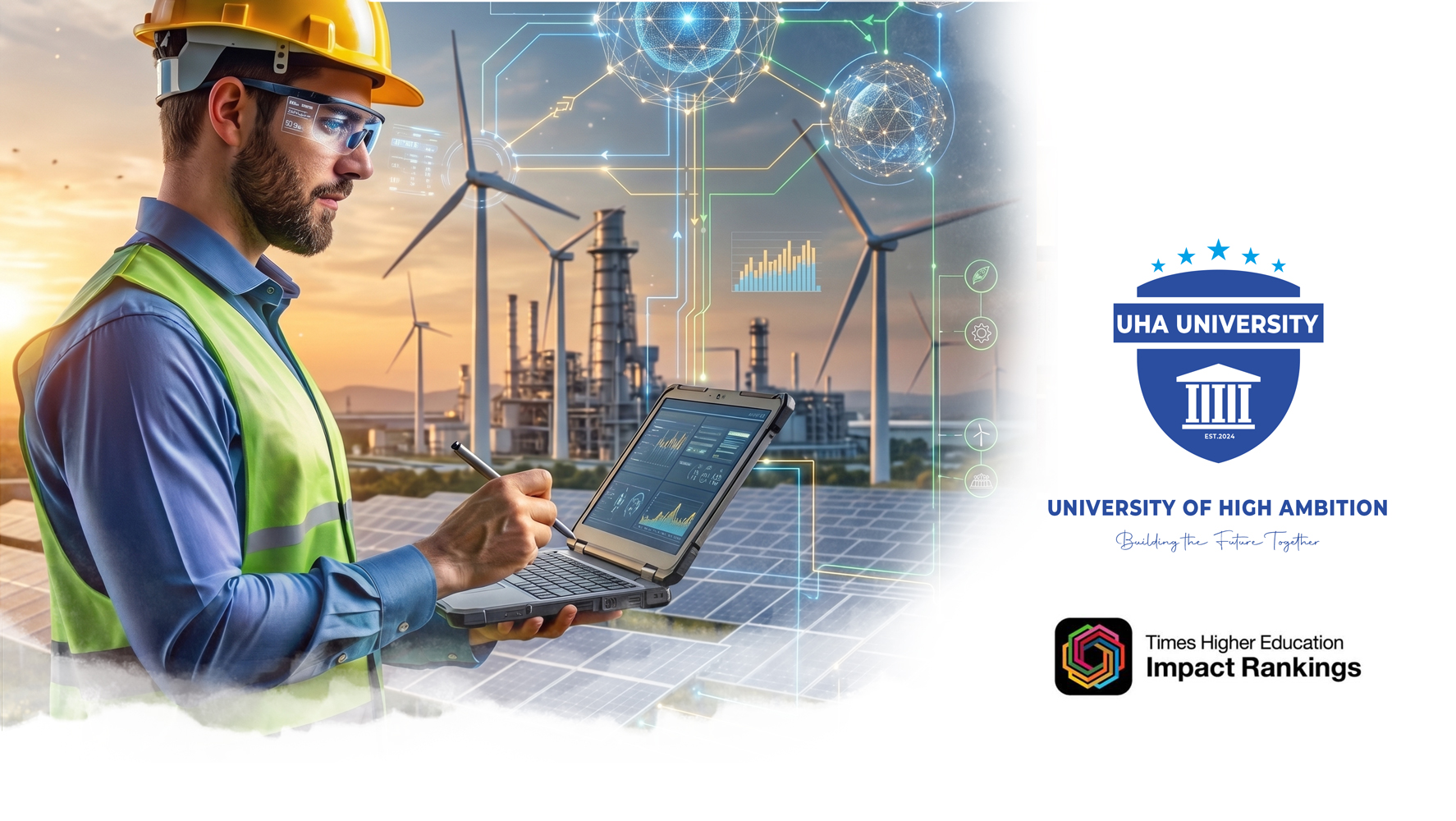
Faculty of Renewable Energy Engineering
:Faculty of Renewable Energy Engineering
:Definition of the Faculty
The Faculty of Renewable Energy Engineering is dedicated to preparing engineers and researchers capable of designing, analyzing, operating, and developing modern and sustainable energy systems. It integrates the traditional foundations of electrical, mechanical, and thermal engineering with cutting-edge technologies in artificial intelligence, data analytics, smart grids, energy storage, the Internet of Things (IoT), and digital twin systems.
The Faculty adopts a multidisciplinary educational model that views renewable energy as an integrated engineering system encompassing:
-
Energy Generation
-
Energy Conversion
-
Energy Storage
-
Power Electronics
-
Electrical Power Systems
-
Smart Grids
-
Energy Efficiency
-
Control and Automation
-
Data Analytics
-
Artificial Intelligence
-
Green Hydrogen
-
Energy Management
-
Energy Economics and Markets
-
Sustainability and Environmental Impact
-
Digital Transformation of Energy Systems
:Faculty Vision
To become a distinguished academic and research center in the education, research, and development of clean energy technologies and intelligent systems, and to contribute to preparing engineers and researchers capable of leading the transition toward more efficient, flexible, and sustainable energy systems.
:Faculty Mission
To provide a modern engineering education that combines deep scientific knowledge with practical application, research, and innovation, and to produce graduates equipped with the engineering, digital, and analytical skills necessary to design and manage renewable and smart energy systems, while supporting scientific research, industrial collaboration, and community service.
:Strategic Objectives
The Faculty aims to:
-
Provide a modern Bachelor's program in Renewable Energy Engineering following a four-year system.
-
Deliver a strong foundation in mathematics, physics, and basic engineering sciences.
-
Achieve integration between electrical, mechanical, thermal, and energy engineering.
-
Integrate programming, data science, and artificial intelligence into the core of energy engineering education.
-
Train students in the latest engineering modeling and simulation tools.
-
Develop students' capabilities in engineering design and complex problem-solving.
-
Enhance laboratories, applied projects, and industrial training.
-
Advance scientific research in renewable energy, smart grids, energy storage, and hydrogen.
-
Develop applications of artificial intelligence and digital twins in the energy sector.
-
Support collaboration between the Faculty of Renewable Energy Engineering and the Faculty of Computer Science and Artificial Intelligence.
-
Graduate engineers capable of working in local and international markets.
-
Align education with the needs of electricity companies, energy corporations, and industry.
-
Promote a culture of sustainability, environmental responsibility, and engineering ethics.
-
Support innovation and entrepreneurship in clean technology.
Proposed Academic Structure
The Faculty comprises:
First: Department of Renewable Energy Engineering
Offering the program:
Bachelor of Science in Renewable Energy Engineering
Second: Department of Graduate Studies
Offering the following programs:
-
Master of Science in Renewable Energy Engineering
-
Master of Science in Sustainable Energy Systems and Smart Grids
-
Doctor of Philosophy (PhD) in Renewable Energy Engineering
Supporting Academic Units
The academic programs are supported by several units, including:
-
Applied Energy and Laboratories Unit
-
Scientific Research and Innovation Unit
-
Training and Industrial Relations Unit
-
Quality and Academic Development Unit
-
Simulation and Artificial Intelligence for Energy Unit
Academic Degrees
| Program | Typical Duration | Credit Hours |
|---|---|---|
| Bachelor of Science in Renewable Energy Engineering | 4 Years | 128 |
| Master of Science in Renewable Energy Engineering | 1.5–2 Years | 30 |
| Master of Science in Sustainable Energy Systems and Smart Grids | 1.5–2 Years | 30 |
| Doctor of Philosophy (PhD) in Renewable Energy Engineering | 3–5 Years | 36 (post-Master's)
|
Quality Assurance
Programs must undergo regular review, including:
Annual Review
-
Student outcomes and performance
-
Pass rates and academic success indicators
-
Course evaluations
-
Faculty teaching evaluations
-
Laboratory facilities and equipment
-
Student projects and design work
-
Employer feedback and industry input
Comprehensive Review (Every 3–4 Years)
A thorough evaluation of:
-
Curriculum structure and content
-
Course syllabi and learning objectives
-
Integration of emerging technologies
-
Labor market needs and industry trends
-
Software tools and simulation platforms
-
Laboratory infrastructure
-
Educational outcomes and program effectiveness
Note: Courses in Artificial Intelligence and Smart Energy must be updated frequently due to the rapid evolution of these fields.
Industrial Advisory Board
It is proposed to establish an Industrial Advisory Board comprising representatives from:
-
Electric utility companies
-
Photovoltaic (PV) and solar energy firms
-
Energy storage and battery companies
-
Industrial and manufacturing sectors
-
Control and automation companies
-
Engineering consulting firms
-
Energy experts and specialists
-
Alumni graduates of the faculty
The board meets regularly to evaluate the alignment of academic programs with labor market requirements and to provide strategic guidance.
Faculty Future Philosophy
The new academic model of the faculty can be summarized in the following progressive pathway:
| Year | Focus Areas |
|---|---|
| Year 1 | Science + Mathematics + Programming + Engineering Foundations |
| Year 2 | Electrical + Mechanical + Thermal + Control + Modeling |
| Year 3 | Solar + Wind + Storage + Power Systems + Smart Grids + Machine Learning |
| Year 4 | AI + IoT + Digital Twins + Cybersecurity + Optimization + Economics + Capstone Project |
| Master's | Advanced Engineering + Specialization + Research |
| PhD | Original Research + Innovation + International Scientific Contribution |
Proposed Program Structure
Undergraduate Programs
-
Bachelor of Science in Renewable Energy Engineering
128 Credit Hours – 4 Years
Graduate Programs
-
Master of Science in Renewable Energy Engineering
30 Credit Hours -
Master of Science in Sustainable Energy Systems and Smart Grids
30 Credit Hours -
Doctor of Philosophy (PhD) in Renewable Energy Engineering
36 Credit Hours (beyond the Master's degree)
Academic Identity of the Faculty
The core academic message to students and the labor market is:
"The Faculty of Renewable Energy Engineering does not merely teach renewable energy sources; it teaches the design, operation, and optimization of the entire future energy system – from generation, storage, and grids to artificial intelligence, digital transformation, and sustainability."
The faculty's academic identity is built upon five interconnected pillars:
| Pillar | Focus |
|---|---|
| Renewable Energy | Solar, wind, hydro, biomass, geothermal |
| Energy Storage | Batteries, thermal storage, hydrogen, supercapacitors |
| Smart Grids | Grid modernization, microgrids, automation |
| Artificial Intelligence | Machine learning, forecasting, optimization, digital twins |
| Sustainable Energy Systems | Integration, policy, economics, life-cycle assessment |
This modern engineering identity is designed to be adaptable and forward-looking, distinguishing the faculty from traditional models that separate energy engineering from programming, data science, and intelligent systems.

Dean of the Faculty of Renewable Energy Engineering
Dr. Adel Adam
Join Request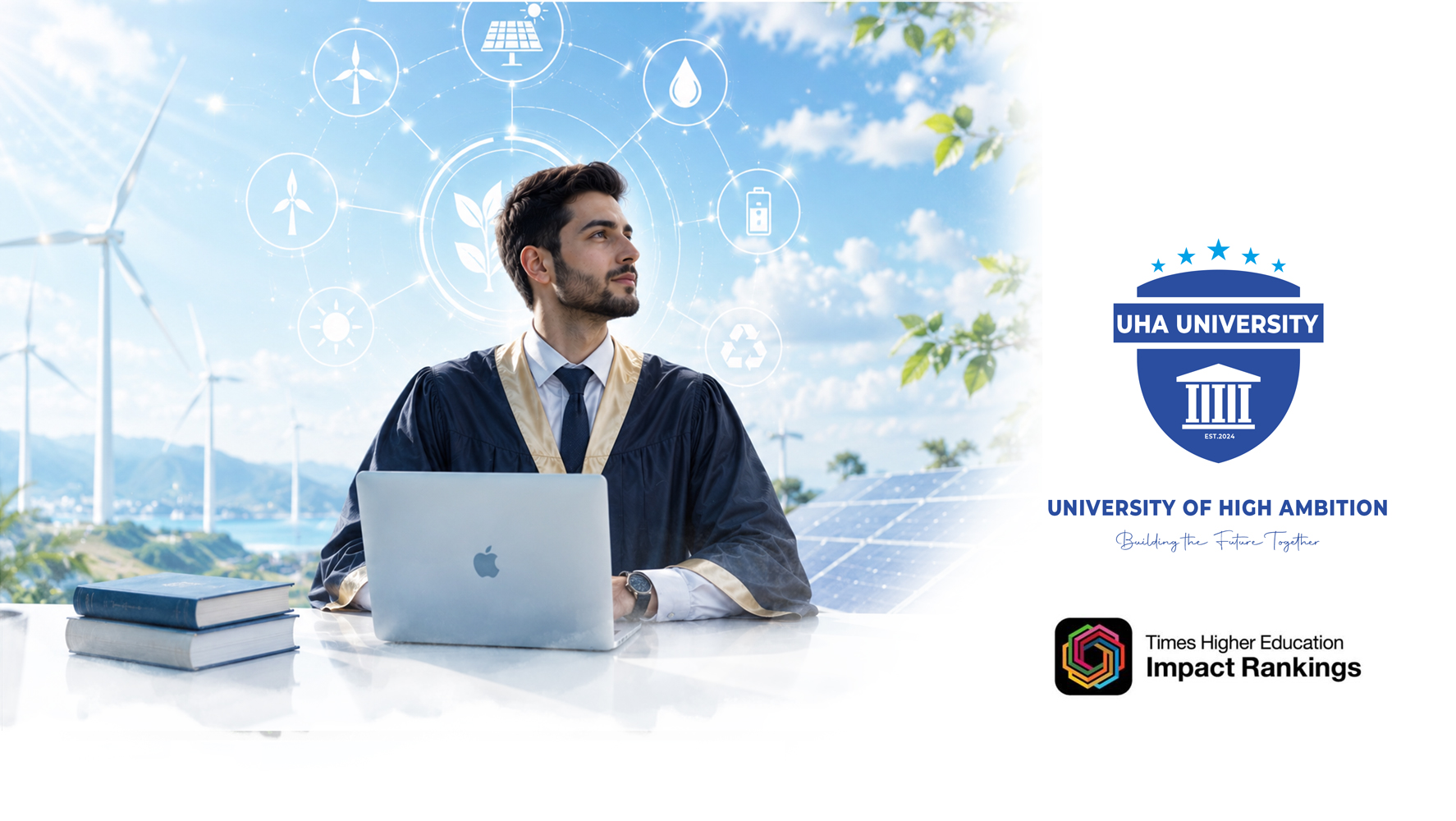
Department of Renewable Energy Engineering
Show Details