
 Launch of the Sixth Semester of the Bachelor of Psychology Program – Second Cohort


Diploma in Medical Education (MedEd)
Program Overview:
In recent years, the healthcare sector has witnessed transformative advancements, alongside significant breakthroughs in teaching and learning methodologies, tools, and the transfer of clinical expertise. The emergence of Artificial Intelligence (AI) has fundamentally reshaped the educational landscape. Consequently, it is now essential for medical educators, clinical trainers, and healthcare professionals to stay abreast of these rapid developments. This program is designed to capitalize on emerging opportunities in medical education, optimizing time and effort while elevating the efficiency and quality of medical curricula.
Key Features:
- Targeted Excellence: Designed for educators, trainers, and healthcare leaders across the Arab world.
- Global Partnership: Launched by UHA (University of Higher Academics) in collaboration with the pioneers of medical education in Syria.
- Expert Mentorship: Guided by supervisors with distinguished academic backgrounds and extensive professional experience.
- Technological Integration: Merges cutting-edge technical advancements with modern medical pedagogy.
- International Standards: Curricula are aligned with the rigorous quality standards of top-tier British and American universities.
- Integrated Learning: A comprehensive blend of modern educational theories and personalized practical application. Trainees engage in continuous clinical case discussions and practical projects tailored to the needs of the Arab medical sector, while developing essential Research and Leadership skills.
Vision & Objectives:
The primary goal is to enhance the quality of Health Professions Education (HPE) and clinical training in Syria. By focusing on curriculum design, faculty development, and the mastery of modern educational technologies and assessment strategies, the program aims to empower healthcare providers and improve patient outcomes internationally.
Target Audience:
This diploma is tailored for professionals involved in the education and training of healthcare practitioners, including:
- Physicians & Specialists: Responsible for clinical training in universities and teaching hospitals.
- Dentists & Pharmacists: Involved in both academic and professional instruction.
- Midwives & Nurses: Leading academic and clinical training modules.
- Allied Health Professionals: Including specialists in Physical Therapy, Anesthesia, Laboratory Sciences, and Perioperative Care acting as clinical preceptors.
- Institutional Leaders: Deans, directors, and administrators seeking to strengthen their institution’s educational framework.
- Educational Experts: Curriculum developers and assessment officers.
- NGO Professionals: Administrators managing training portfolios in the humanitarian sector.
- Medical Content Creators: Healthcare staff interested in professional health communication via social media.
Faculty Members – Department of Medical Education:
The Postgraduate Diploma in Medical Education is supervised by two physicians who are leaders and founders of modern medical education in Syria:

Dr. Safwan Al-Shallati
-
Master’s Degree in Medical Education, University of South Wales (United Kingdom).
-
Technical Director of Medical Education at Global Health Partnerships.
-
Former President of the Syrian Board of Medical Specialties (SBOMS) for many years, and an expert in rebuilding medical education systems in conflict-affected regions.
-
International researcher with publications in BMJ Open and PLOS Global Public Health.
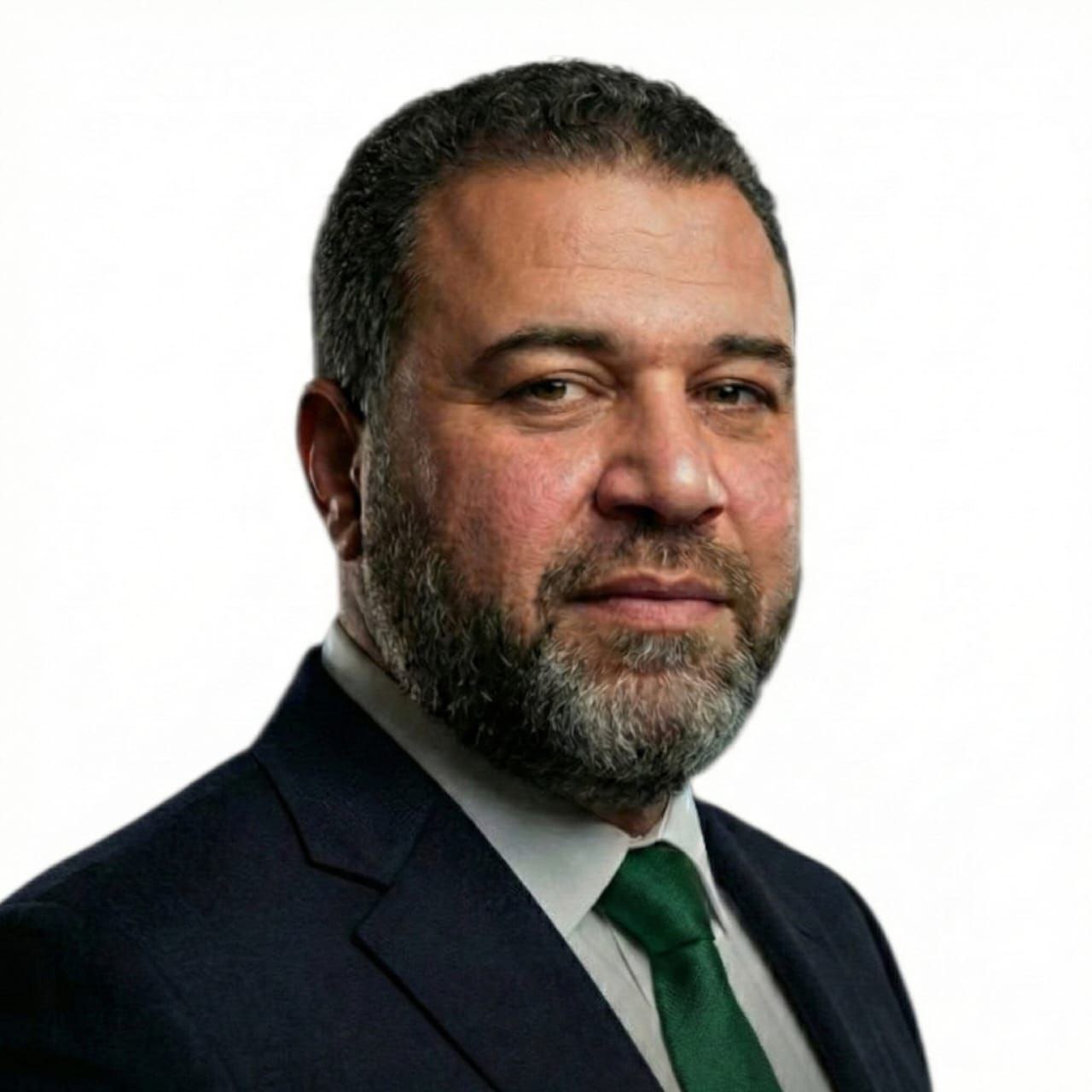
Dr. Wasim Zakaria
-
Head of the Internal Medicine Examination Committee at the Syrian Board and Director of the Scientific Liaison Office.
-
Extensive experience in clinical training, including supervision of resident physicians and development of Continuing Medical Education (CME) programs.
-
International scientific contributions, with medical research published in peer-reviewed international journals, and author of multiple training references actively used in the healthcare sector.
Career Prospects:
Graduates can pursue various leadership and technical roles across multiple sectors:
1. Governmental & Academic Sectors:
- Clinical Preceptor & Educator: Training medical students, residents, and allied health staff.
- Academic Leadership: Deans, department heads, or scientific directors within medical colleges.
- Medical Education Specialist: Within public or private educational institutions.
- Curriculum Design Officer: Focused on healthcare education development.
2. International & Medical Organizations:
- Training Specialist: Working with local and international NGOs or private academies.
- Medical Education Manager: Roles within the United Nations (UN) and international health agencies.
- Quality Assurance (QA): Monitoring and evaluation of medical training facilities.
- Policy Consultant: Developing health guidelines and educational policies.
- Private & Digital Ventures:
- Digital Health Educator: Providing remote medical awareness and training.
- Certified Professional Trainer: Delivering specialized medical training programs.
Academic Structure (14 Months):
- Principles of Teaching and Learning: 2.5 Months
- Assessment, Evaluation, and Standard Setting: 2.5 Months
- Curriculum Development: 2.5 Months
- Research Principles: 1.5 Months
- Leadership, Policy, and Management: 1.5 Months
- Technology: Media, Online Teaching, Simulation & AI: 1.5 Months
- Continuing Professional Development (CPD): 1 Month
- Quality Assurance and Accreditation: 1 Month
Tuition & Certification:
Base Tuition Fee: $970 USD
Payment Terms: Payable in four quarterly installments throughout the duration of the program.
Academic Pathway: Upon successful completion of the Diploma, students may progress to an Academic Master’s Degree in Medical Education. This requires an additional year of study focusing on Advanced Research Methodologies and the completion of a Research Thesis under university supervision.
Contact Information:
WhatsApp Contact
Direct contact with the Dean of the College of Health and Medical Sciences, Dr. Abdullah Al-kasim: +905394117682
To contact the Student Affairs Department after registration:
For more details, visit our website:www.uha.edu.eu
Email:info@uha.edu.eu
Subscribe to our WhatsApp channel:channel link
Join Request
