 Conclusion of the Final Examinations for the Fifth Semester of the Bachelor of Psychology Program – Second Cohort
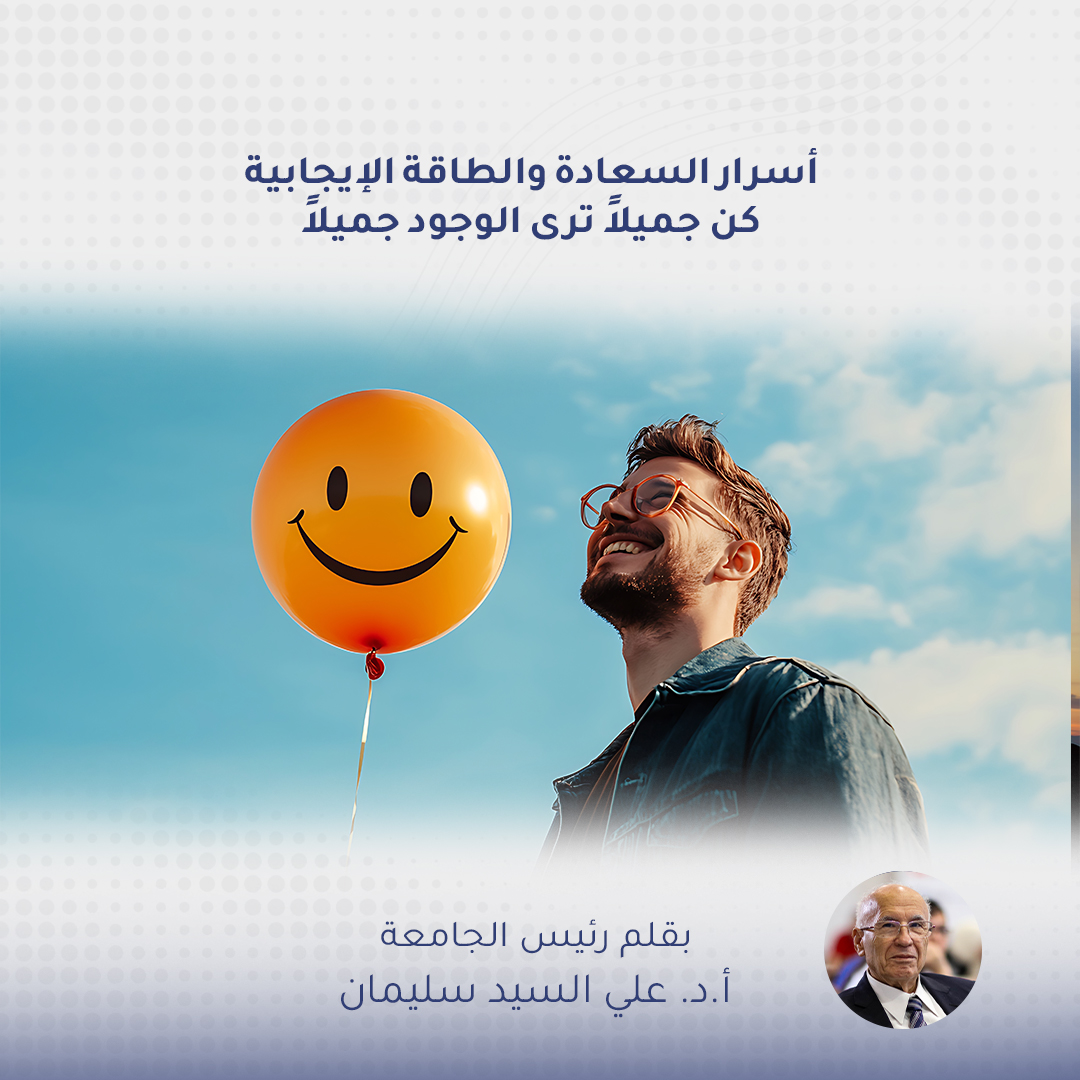
Happiness: A Life of Meaning
Happiness is the meaning, purpose, and ultimate goal of life. It is the aspiration and desire of all human beings. The English philosopher David Hume stated that people do not practice professions, collect antiques, invent innovations, enact laws, spread knowledge, or contemplate the stars except in pursuit of happiness. Happiness is an abstract concept and a goal that everyone seeks to attain—whether through effort and struggle, wealth and prosperity, or laughter and song.
Studies indicate that happy people are the most successful in all areas of life: marriage and friendship, wealth accumulation, and academic or professional achievement. Research also shows that the relationship between happiness and success is reciprocal: just as success leads to happiness, happiness in turn leads to success. The essence of happiness lies in feeling that life has meaning and in enjoying it. Happy people are inherently positive and have clear goals. This definition is not limited to a single moment, but rather applies to the sum of experiences a person goes through while seeking happiness—even if that search includes painful moments. A person may endure temporary pain with patience in pursuit of lasting happiness, just as a student tolerates the hardship of study to achieve high grades. Pleasure, on the other hand, is momentary happiness that quickly fades.
Achieving lasting happiness requires enjoying the journey toward the goal. Happiness does not lie in reaching the mountain’s peak, nor in climbing without purpose, but in the journey of ascent itself. Pleasure is not in the final sip, but in the happiness gained from savoring the entire cup slowly.
Emotions govern all our endeavors, including the pursuit of happiness. Life without emotion is unimaginable; without it, humans would resemble machines that move without soul or feeling. While machines may replicate human abilities such as building skyscrapers or solving complex calculations, they lack what defines us most: motivation and drive, which arise from emotion. Machines feel neither hunger nor satiety, nor do they enjoy food or its preparation. They do not seek rest after long days of work because they do not tire or grow bored. Humans, however, experience boredom and strive to change their reality because they understand purpose and finitude. They attempt to enjoy every moment, innovate, and create.
Yet emotion alone is not sufficient for absolute happiness, because fleeting pleasure driven by emotional surges does not achieve it. A person must undergo experiences that deeply engage emotions, mind, intellect, and spirit, deriving lessons and meaning that lead to the highest form of happiness: the happiness of knowledge. This does not mean life must be filled with pain and sorrow, as prolonged suffering may extinguish creativity and stifle human potential.
The Meaning of Life
Since human beings create the meaning of their own lives, meanings vary from person to person. One may find meaning in building a successful business that generates profit and benefits others; another in practicing medicine and relieving suffering; a third in raising righteous children. What matters most is that one’s goals—those that give life meaning—do not conflict with noble values and principles merely to satisfy the ego of a few. It is better to escape the trap of moral decay than to live a life of greed in pursuit of status or wealth built on deception and corruption.
Success and Happiness
Happiness is closely linked to success, and the presence of one often depends on the other. However, motivation toward success and commitment to achieving it play a vital role in shaping the experience of happiness. Without commitment to study, no one succeeds academically; without commitment to work, no one achieves professional advancement. Yet this does not mean becoming a cog in a machine, working endlessly until exhaustion erases happiness. Instead, individuals should invest their energy in activities aligned with their personalities and abilities to achieve lasting happiness—not fleeting pleasure—thereby replacing the equation “prosperity = misery” with a new one:
Positive emotions + effort and perseverance = happiness in the present and the future.
Happiness: A Currency That Never Loses Its Value
While projects are measured by profits and assets by monetary value, human beings are not reduced to numbers. They evaluate fame, wealth, or power by the degree of happiness they feel. Possessions are meaningless without happiness. Just as liquidity surpasses assets in value, material wealth cannot equal the emotional wealth embodied in happiness.
Emotional Bankruptcy
A person may accumulate vast wealth without realizing that filling iron vaults may empty emotional ones. In the pursuit of riches, one may neglect family and loved ones, losing warmth and belonging. Hence the saying, “Contentment is a treasure that never fades.” Those who chase money alone resemble those who drink seawater—never quenched. Many people burdened by painful experiences suffer chronic depression that neither medicine nor wealth can cure. Depression can affect entire societies, spreading like wildfire when emotional bonds are neglected. Prosperous and technologically advanced societies often suffer emotional bankruptcy due to excessive focus on material gain and neglect of social and spiritual values.
Goals and Happiness
Those who can define their goals are more likely to succeed, as clarity of vision drives effort and achievement. Goals range from simple purchases to managing institutions or even exploring space. Psychologists assert that self-confidence and belief in one’s ability to achieve goals help transform imagination into reality.
Goals and Satisfaction
Although happiness and satisfaction are often linked to achieving goals, research shows that the happiness resulting from achievement is short-lived—just like the frustration of failure. Studies on competition winners reveal they soon return to their previous emotional state. This applies to daily activities as well. Even enjoyable pursuits involve obligations. Wisdom lies in not allowing routine tasks to overshadow the deeper satisfaction derived from meaningful effort.
Happiness and Learning
Many students dislike studying due to boredom or stress, leading to poor performance and frustration. To prevent this, educators should tailor learning environments to individual strengths—a process known as empowerment. Excessive pressure or lack of challenge can both stifle creativity. True struggle for learning differs from exhaustion; the former fosters excellence and happiness.
Happiness at Work
Finding a job aligned with one’s strengths is a major life challenge. It requires answering key questions:
-
What gives my life meaning?
-
What energizes me?
-
What are my strengths, and how can I activate them?
Answering these helps in setting goals, creating action plans, meeting essential needs, and enjoying the struggle toward achievement.
Happiness and Social Relationships
Sharing joys and sorrows with others deepens life’s meaning. As Francis Bacon said, companionship doubles happiness and halves sorrow. There is no happiness without friendship.
Love and Sacrifice
While positive relationships can be a source of happiness, excessive or destructive sacrifice may lead to misery. It is crucial to distinguish between fruitful sacrifice that yields fulfillment and destructive sacrifice that erodes self-worth.
Reflections on Happiness
-
Dedication vs. Self-Erasure: Giving brings happiness, but losing oneself entirely leads to emptiness.
-
Motivators of Happiness: Gradual positive incentives help overcome difficult transitions and habits.
-
Boundless Happiness: Choosing paths that align with strengths leads to lasting fulfillment.
-
We Deserve Happiness: Do not surrender to guilt or fear of happiness.
-
Happiness and Time: Happiness prolongs life.
-
Against the 80/20 Trap: Simplifying life brings peace.
-
The Wave of Happiness: Happiness lies in meaning, not material accumulation.
Happiness Is the Pursuit, Not the Destination
Happiness is found in striving, not merely achieving. It is not confined to a single goal or person, nor does it arise from sudden miracles, but from effort, learning, perseverance, and positive thinking.
Express Your Emotions—Be Human
All humans experience sorrow and joy alike. Suppressing emotions diminishes life’s value. Psychologists encourage expressing feelings openly, as this affirms our humanity.
Happiness Is a Decision
While external constraints may limit choices, meaning and happiness can still be found by focusing on the spirit of one’s work and life, not merely its form.
Words: How They Create Miracles
Identify what you can do, choose what inspires you, and act. Happiness is a decision—and words can create miracles.
Natural vs. Artificial Happiness
People often misjudge what will make them happy. Research shows that humans possess psychological resilience, and that both natural and self-created happiness can be equally fulfilling. Expectations of both happiness and misery are often exaggerated, and neither lasts as long as imagined.
In the end, happiness is not something to be found—it is something to be chosen, cultivated, and lived.